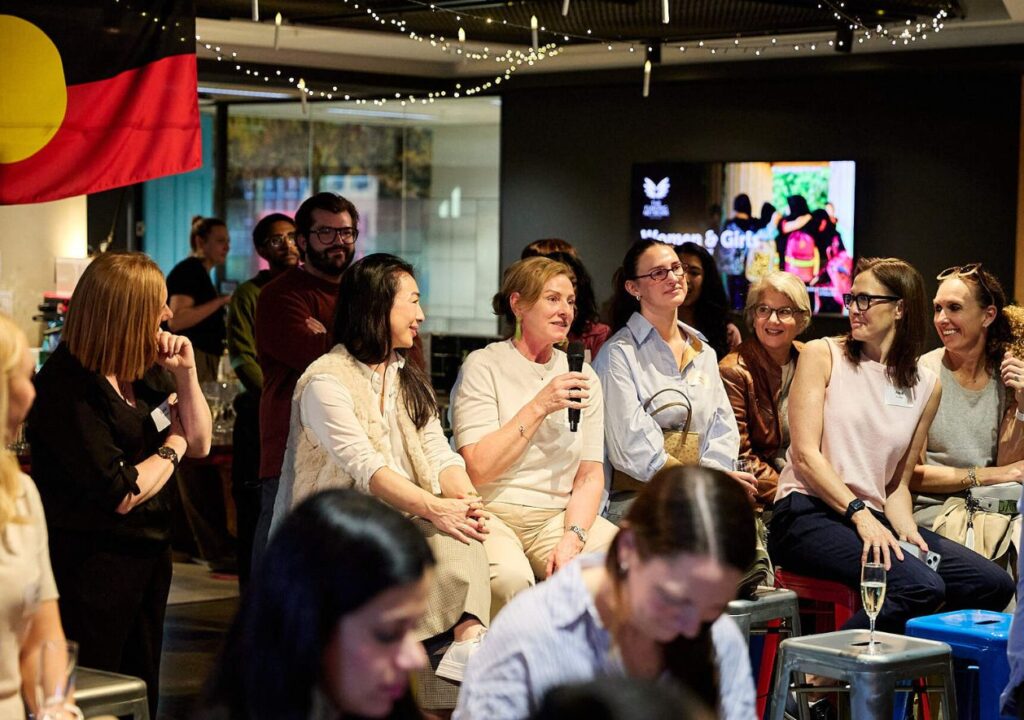
Last week at Admiralty House, leaders from across the social sector gathered to mark the launch of the She Gives: Growing Women’s Giving in Australia research. Commissioned by the She Gives campaign and independently analysed by the Centre for Social Impact at the University of Western Australia, the study provides one of the clearest pictures we have of women’s role in Australian philanthropy.
Its central message is simple: women are not an emerging force in giving – they are already driving it.
Women shape a significant proportion of charitable decision-making across Australia. With women expected to control the majority of the nation’s $5.4 trillion intergenerational wealth transfer, their influence over where and how money flows will only increase.
At a time of rising community need and growing inequity, this is one of the most important – and still underutilised – opportunities to strengthen Australia’s culture of generosity.
The Real Face of Giving
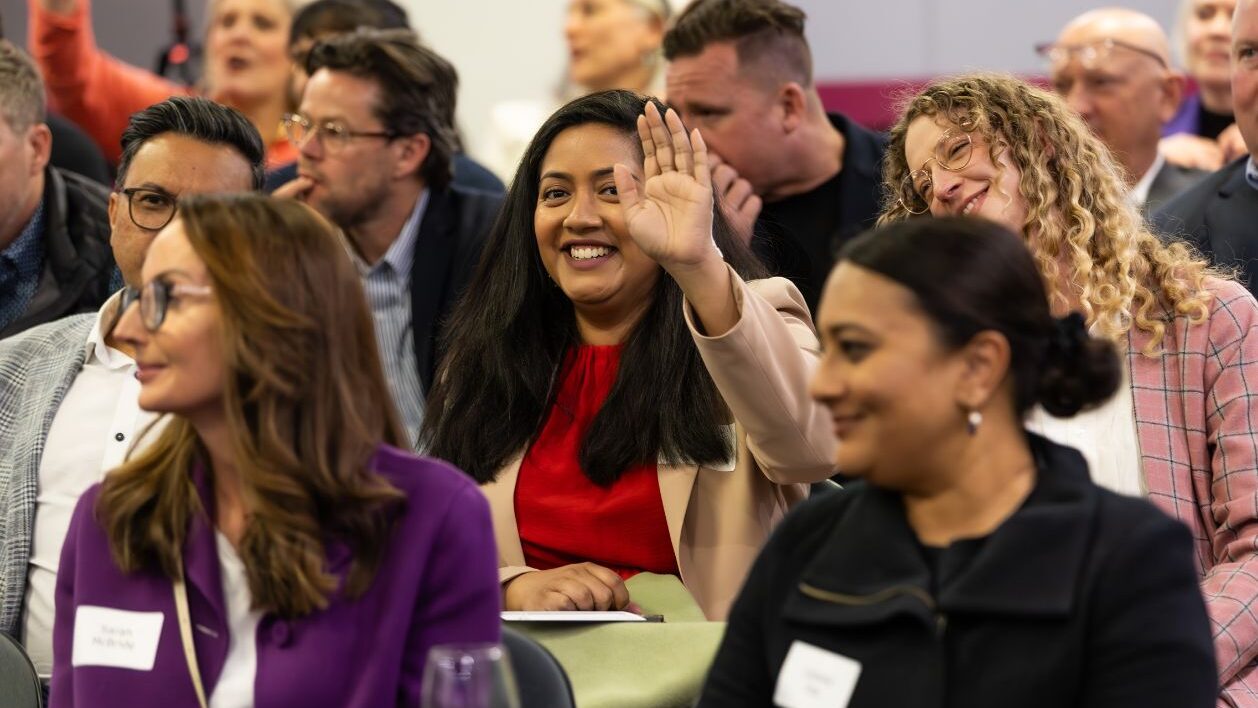
Public narratives about philanthropy still tend to focus on major donors and large gifts. The research tells a more grounded story.
More than 60 percent of women in partnered households say they always or usually make giving decisions. More than 80 percent of women in philanthropic networks – and nearly two-thirds of women nationally – say they want to give more.
The typical giver is not defined by extraordinary wealth. She is an everyday woman – working, leading, caring – making deliberate, values-led decisions about the kind of world she wants to help build.
The question is not how to get women to give. They already are. The question is whether philanthropy is structured in ways that reflect how they want to engage.
What Is Holding Women Back
When asked about barriers to giving more, women’s responses were thoughtful and consistent.
Many already give in multiple ways – financially, but also through time, skills, advocacy and care. Overwhelm is real, particularly the volume of requests and the time required to assess impact. Financial security matters too, reflecting long-term responsibility rather than reluctance.
Their motivations are clear. They care about the cause. They want to make a difference. Trust is critical. A desire to give back ranks highly. Tax incentives and social expectations sit near the bottom.
This is not a motivation problem. It is a design problem. If we continue to frame women as needing education or encouragement, we miss the point. The opportunity is to reduce friction, increase transparency and make it easier for women to act on the values they already hold.
A Defining Opportunity
The report outlines three priorities to grow women’s giving at scale:
- Recognise and elevate women’s crucial role in giving
- Strengthen collective and community-based models
- Build the sector’s capacity to support women’s philanthropic ambitions
These are practical shifts. They also align directly with the Australian Government’s goal to double giving by 2030. In 2022, Australians gave just 0.81 percent of GDP to charity – less than half the level of New Zealand. If we are serious about lifting that figure, we need to build around the people already shaping generosity.
Why Collective Giving Matters
One of the clearest insights from the research is that many women prefer to give collaboratively.
That preference reflects how many women lead and make decisions more broadly – informed, relational and grounded in shared values.
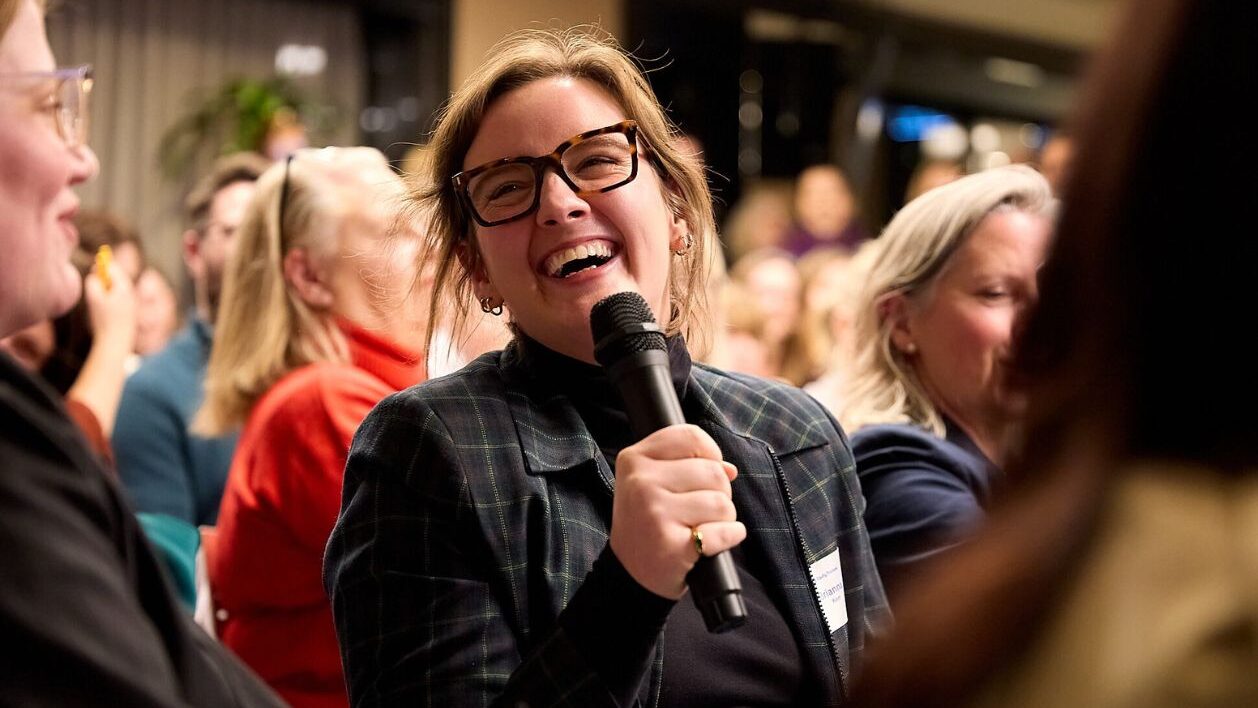
Collective giving creates space to ask questions, understand the evidence and hear directly from those leading the work. It builds trust through transparency. It reduces overwhelm by curating opportunities. It turns giving from a private transaction into a shared act of leadership.
In my work at The Funding Network, I see how powerful this alignment can be. When donors come together to learn, question and fund grassroots solutions collectively, confidence grows and participation deepens. Giving becomes not just an act of generosity, but an act of shared leadership.
This is not the only pathway to grow philanthropy – and it should not be. Women give in many forms, from volunteering and advocacy to structured foundations and everyday donations. But collaborative models are an important part of a modern ecosystem that aligns with how many women already want to engage.
When giving feels connected, informed and purposeful, participation expands.
A Call to Evolve
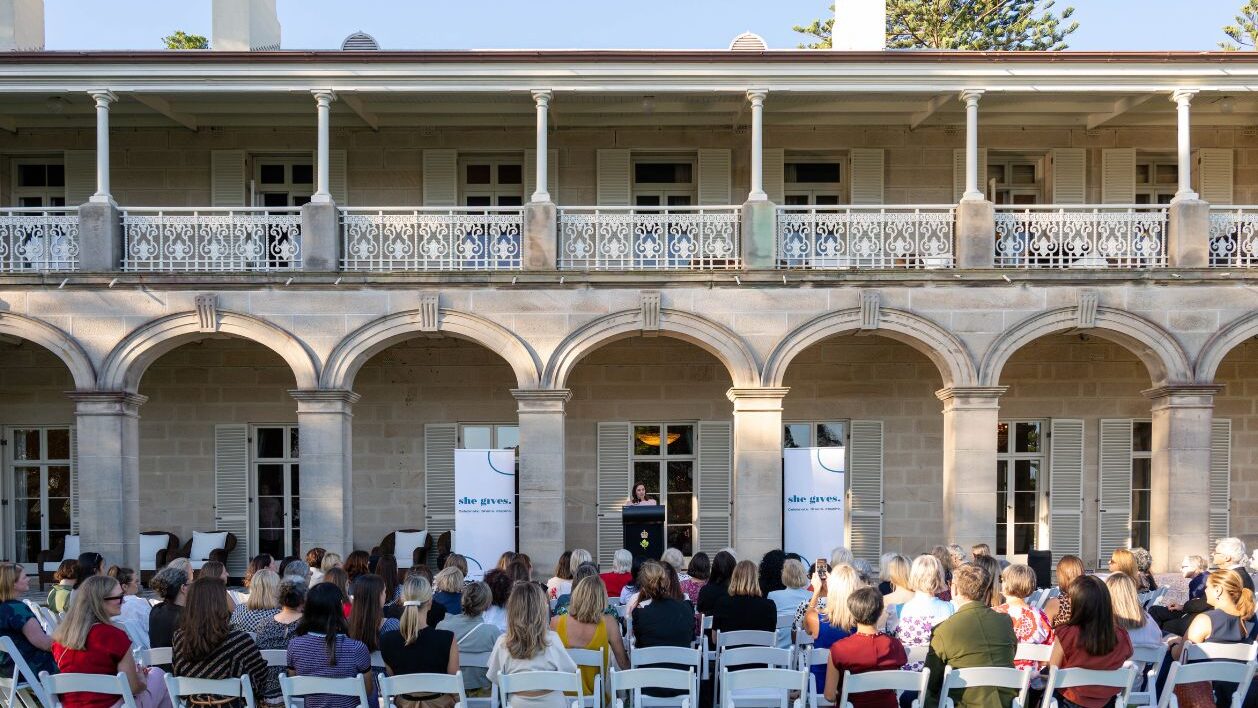
As we gathered at Admiralty House to mark the launch of the She Gives research, the moment felt both celebratory and urgent.
Australia’s capacity to give will not be unlocked by focusing on headline donors or policy changes. It will be unlocked by recognising who is already driving generosity – and by designing systems that amplify their leadership.
Women are not emerging as a force in philanthropy. They are the force.
Kristen Lark is the CEO of The Funding Network